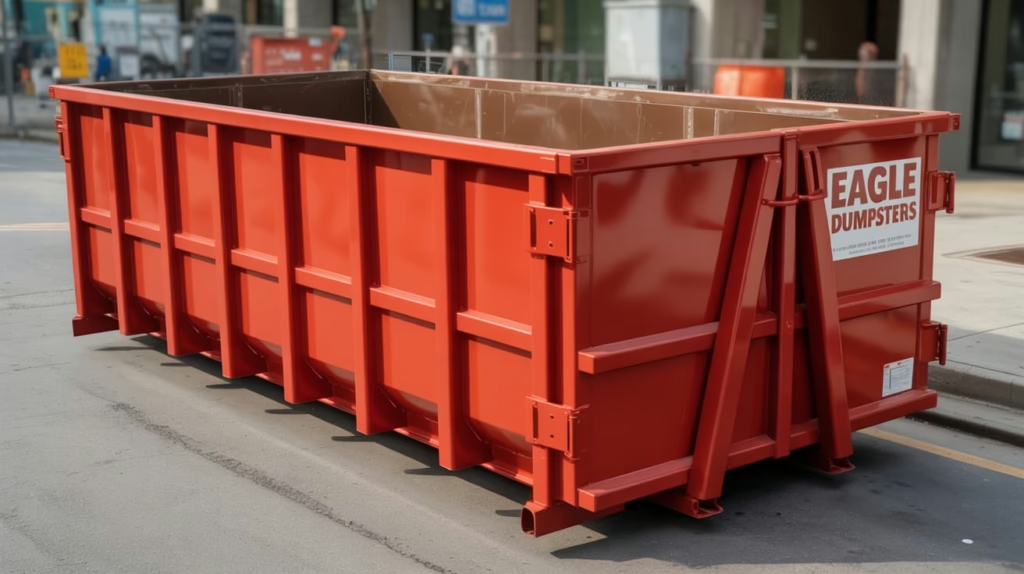
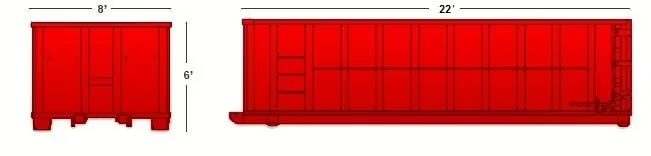
A 30 yard dumpster measures 22 feet long, 8 feet wide, and 6 feet high, providing 30 cubic yards of waste capacity with a weight limit of 3.5 to 5 tons (7,000 to 10,000 pounds). This extra-large dumpster size accommodates major construction projects, complete home demolitions, new home construction, large commercial renovations, multi-story roofing projects, and extensive property cleanouts.
Contents
- 1 What Is a 30 Yard Dumpster?
- 2 What Can Fit in a 30 Yard Dumpster?
- 3 30 Yard Dumpster Projects
- 4 How to Rent a 30 Yard Dumpster
- 5 30 Yard Dumpster Rental Cost
- 6 30 Yard Dumpster vs Other Sizes
- 7 30 Yard Dumpster Service Details
- 8 Tips for Using a 30 Yard Dumpster
- 9 Frequently Asked Questions
- 9.1 How much does a 30 yard dumpster rental cost?
- 9.2 What are the dimensions of a 30 yard dumpster?
- 9.3 How much weight can a 30 yard dumpster hold?
- 9.4 What projects work best with a 30 yard dumpster?
- 9.5 Can I put roofing shingles in a 30 yard dumpster?
- 9.6 How long can I keep a 30 yard dumpster?
- 9.7 What materials cannot go in a 30 yard dumpster?
- 9.8 How many pickup truck loads fit in a 30 yard dumpster?
- 9.9 Do I need a permit for a 30 yard dumpster?
- 9.10 Can a 30 yard dumpster fit in my driveway?
- 9.11 What is the difference between a 30 yard and 40 yard dumpster?
- 9.12 How much roofing can fit in a 30 yard dumpster?
- 9.13 Can I put concrete in a 30 yard dumpster?
- 9.14 What is the largest dumpster size for residential projects?
- 9.15 How tall is a 30 yard dumpster?
- 10 Ready to Rent a 30 Yard Dumpster?
What Is a 30 Yard Dumpster?
A 30 yard dumpster is an extra-large roll-off container designed for major residential and commercial waste disposal projects. The 30 yard dumpster holds approximately 30 cubic yards of debris, equivalent to roughly 9 to 12 pickup truck loads of material. Waste management companies deliver the 30 yard dumpster to your property, allow a specified rental period for loading, and schedule pickup once your project completes.
30 Yard Dumpster Dimensions
The standard 30 yard dumpster dimensions are:
- Length: 22 feet
- Width: 8 feet
- Height: 6 feet
- Capacity: 30 cubic yards
- Footprint: 176 square feet
These 30 yard dumpster dimensions require a driveway or parking area measuring at least 20 feet wide and 30 feet long to accommodate safe delivery and pickup operations.
30 Yard Dumpster Weight Limit
A 30 yard dumpster has a weight limit ranging from 3.5 to 5 tons (7,000 to 10,000 pounds), depending on your rental service provider and debris type. Exceeding the specified weight limit results in overage fees ranging from $50 to $100 per additional ton, depending on your rental service provider and local disposal regulations. Heavy materials such as concrete, asphalt, dirt, roofing shingles, and masonry fill a 30 yard dumpster to the weight limit faster than lightweight debris.
What Can Fit in a 30 Yard Dumpster?
A 30 yard dumpster accommodates various residential and commercial waste materials:
Acceptable Materials:
- Construction debris (drywall, lumber, flooring, framing materials, subflooring, structural components)
- Roofing shingles (up to 5,000 square feet)
- Demolition debris (walls, ceilings, fixtures, structural materials)
- Household trash and junk (multi-home cleanouts)
- Furniture items (couches, chairs, tables, mattresses, bed frames, office furniture)
- Appliances (refrigerators, washers, dryers, dishwashers, stoves, HVAC units)
- Yard waste (branches, leaves, grass clippings, shrubs, tree limbs, stumps)
- Renovation materials (cabinets, countertops, fixtures, doors, windows, trim)
- Carpet and padding (multi-home removal)
- Decking materials (wood, composite, railing systems, structural supports)
- Fencing materials (posts, panels, gates, privacy fencing)
- Siding materials (vinyl, wood, aluminum, fiber cement)
- Concrete and masonry (moderate quantities)
- Window and door replacements (whole-home projects)
Prohibited Materials:
- Hazardous waste (paint, chemicals, solvents)
- Automotive fluids (oil, antifreeze, gasoline)
- Batteries (car batteries, lithium batteries)
- Tires
- Electronics containing refrigerants
- Asbestos-containing materials
- Medical waste
- Propane tanks
- Pressurized containers
- Flammable materials
Contact your dumpster rental service to verify material acceptance policies before loading prohibited items into a 30 yard dumpster.
30 Yard Dumpster Projects
Residential Projects
A 30 yard dumpster handles these residential projects:
Complete Home Demolitions: A 30 yard dumpster holds debris from partial or complete home demolition projects, including structural materials, fixtures, and building components.
New Home Construction: The 30 yard dumpster capacity accommodates construction waste from new home building projects, including packaging, framing waste, drywall scraps, and installation materials.
Whole-Home Renovations: A 30 yard dumpster accepts debris from extensive whole-home renovation projects, including multiple rooms, structural modifications, and complete interior remodeling.
Large Roofing Projects: A 30 yard dumpster accepts roofing shingles from roof replacement projects covering 4,000 to 5,000 square feet of roofing area, including multi-story homes.
Home Additions: The 30 yard dumpster size handles construction debris from major room addition projects, including foundation work, framing, exterior finishing, and interior completion.
Multi-Property Cleanouts: A 30 yard dumpster fits debris from multiple property cleanouts, estate settlements, or investment property renovations.
Complete Siding Replacement: The 30 yard dumpster capacity accommodates old siding materials from large home exterior renovation projects, including trim and accessories.
Deck and Patio Demolition: A 30 yard dumpster accepts old decking boards, railing materials, structural components, patio pavers, and hardware from extensive outdoor demolition projects.
Basement and Attic Cleanouts: The 30 yard dumpster size handles accumulated debris from large basement and attic cleanout projects, including stored items, old furniture, and building materials.
Landscape Renovation: A 30 yard dumpster accommodates yard waste from major landscape renovation projects, including tree removal, shrub removal, soil, and hardscape materials.
Window and Door Replacement: The 30 yard dumpster capacity handles old windows, doors, frames, and trim from whole-home replacement projects.
Flooring Replacement: A 30 yard dumpster accommodates old carpet, hardwood, laminate, or tile flooring from 5,000 to 8,000 square feet of living space.
Commercial Projects
A 30 yard dumpster serves these commercial applications:
Commercial Renovations: The 30 yard dumpster holds debris from major commercial space remodeling, including partition walls, ceiling systems, flooring, and fixture removal.
Retail Store Build-Outs: A 30 yard dumpster manages debris from retail space construction and renovation, including display fixtures, shelving, flooring, wall materials, and infrastructure.
Restaurant Construction: The 30 yard dumpster capacity handles construction waste from restaurant build-out projects, including kitchen installation, dining area construction, and infrastructure work.
Office Building Renovations: A 30 yard dumpster accommodates multi-floor office renovation debris, including partition systems, flooring, ceiling tiles, and fixture removal.
Property Management Projects: The 30 yard dumpster size handles multi-unit renovation waste, property maintenance debris, and large-scale property improvement projects.
Construction Sites: A 30 yard dumpster accepts ongoing construction debris from commercial building projects, including framing waste, packaging, and installation materials.
Warehouse Cleanouts: The 30 yard dumpster capacity accommodates accumulated warehouse materials, obsolete inventory, packaging waste, equipment disposal, and storage cleanouts.
Hotel and Hospitality Renovations: A 30 yard dumpster handles debris from hotel room renovations, lobby remodels, and hospitality facility upgrades.
How to Rent a 30 Yard Dumpster
Step 1: Determine Your Project Needs
Evaluate your waste disposal requirements by estimating debris volume and identifying material types. A 30 yard dumpster works for projects generating 9 to 12 pickup truck loads of waste material.
Step 2: Choose Your Rental Period
Select a rental period matching your project timeline. Standard 30 yard dumpster rental periods range from 7 to 14 days. Extended rental periods incur additional day fees of $5 to $20 per day beyond the initial rental term.
Step 3: Schedule Delivery
Contact your dumpster rental service to schedule 30 yard dumpster delivery. Provide your project address, preferred delivery date, and placement location. Delivery drivers position the 30 yard dumpster on driveways, parking areas, construction sites, or street locations with proper permits.
Step 4: Load the Dumpster
Fill the 30 yard dumpster evenly, distributing weight across the container floor. Load heavy materials first, placing lighter debris on top. Maintain debris levels below the container rim to ensure safe transportation and avoid overage fees.
Step 5: Schedule Pickup
Call your rental service when your project completes to arrange 30 yard dumpster pickup. Most providers offer same-day or next-day pickup scheduling for completed rentals.
30 Yard Dumpster Rental Cost
Base Rental Pricing
A 30 yard dumpster rental costs $400 to $700 for a standard 7 to 14-day rental period. Pricing varies based on:
- Geographic location and local disposal fees
- Rental duration (7-day, 10-day, or 14-day periods)
- Debris type and disposal requirements
- Delivery distance from the rental facility
- Market demand and seasonal fluctuations
- Weight limit allowances (3.5-ton vs 5-ton limits)
- Project type (residential vs commercial)
Additional Fees
Overage Fees: Exceeding the weight limit adds $50 to $100 per additional ton to your 30 yard dumpster rental cost.
Extended Rental Fees: Keeping the 30 yard dumpster beyond your rental period costs $5 to $20 per additional day.
Delivery Fees: Some providers charge separate delivery fees of $75 to $200 for locations exceeding standard service radius distances.
Prohibited Material Fees: Loading prohibited materials into a 30 yard dumpster results in contamination fees ranging from $150 to $750, plus additional disposal costs.
Roofing Debris Surcharges: Some providers charge additional fees of $100 to $200 for roofing shingle disposal due to specialized processing requirements.
Concrete/Heavy Debris Fees: Loading excessive concrete or heavy materials may incur additional disposal fees of $75 to $300.
Permit Fees: Street placement permits for the 30 yard dumpster may cost $50 to $200, depending on local municipality requirements.
30 Yard Dumpster vs Other Sizes
30 Yard vs 20 Yard Dumpster
A 20 yard dumpster measures 20 feet long, 8 feet wide, and 4.5 feet high, providing 20 cubic yards of capacity. The 30 yard dumpster offers 50% more capacity than a 20 yard dumpster, accommodating major construction projects and complete demolitions while requiring additional placement space.
30 Yard vs 40 Yard Dumpster
A 40 yard dumpster measures 22 feet long, 8 feet wide, and 8 feet high, providing 40 cubic yards of capacity. The 40 yard dumpster holds 33% more debris than a 30 yard dumpster, suitable for massive construction projects, complete building demolitions, and industrial waste disposal.
30 Yard vs 15 Yard Dumpster
A 15 yard dumpster measures 14 feet long, 8 feet wide, and 4.5 feet high, providing 15 cubic yards of capacity. The 30 yard dumpster offers 100% more capacity than a 15 yard dumpster, designed for projects requiring double the waste disposal volume.
30 Yard Dumpster Service Details
Delivery Process
Dumpster rental companies deliver the 30 yard dumpster using specialized roll-off trucks. Delivery drivers place protective boards under the container to prevent surface damage. The delivery process takes 15 to 25 minutes, requiring clear access to your designated placement area and adequate overhead clearance.
Pickup Process
Pickup service removes the loaded 30 yard dumpster from your property and transports waste to appropriate disposal facilities. Drivers inspect the container for prohibited materials and verify debris levels meet transportation safety standards before loading.
Rental Period Flexibility
Most 30 yard dumpster rental agreements include 7 to 14-day rental periods. Contact your service provider to extend your rental period, schedule early pickup, or swap the 30 yard dumpster for a different size during your project.
Service Area Coverage
Dumpster rental companies typically service residential and commercial customers within a 30 to 50-mile radius of their facilities. Rural locations or extended service areas may incur additional delivery fees or require minimum rental commitments.
Tips for Using a 30 Yard Dumpster
Loading Best Practices
Distribute Weight Evenly: Place heavy materials across the 30 yard dumpster floor to prevent tipping and ensure safe transportation.
Break Down Large Items: Disassemble furniture, appliances, and bulky materials to maximize the 30 yard dumpster capacity and reduce wasted space.
Fill to the Rim Only: Maintain debris levels at or below the container rim to comply with transportation regulations and avoid overage fees.
Separate Prohibited Materials: Remove hazardous waste, chemicals, and prohibited items before loading the 30 yard dumpster to prevent contamination fees.
Layer Materials Strategically: Place heavy roofing shingles, concrete, or masonry at the bottom, medium-weight construction debris in the middle, and lightweight materials on top.
Maximize Space Efficiency: Fill gaps between large items with smaller debris to optimize the 30 yard dumpster capacity utilization.
Plan Loading Sequence: Load materials systematically as demolition or construction progresses to maintain efficient workspace organization.
Placement Considerations
Choose Level Ground: Position the 30 yard dumpster on flat, stable surfaces to prevent tipping and facilitate safe loading operations.
Maintain Access Clearance: Ensure 20 feet of overhead clearance and 20 feet of width clearance for delivery truck access and container placement.
Protect Your Surface: Request protective boards or plywood placement under the 30 yard dumpster to prevent surface damage from container weight.
Check Local Permits: Verify permit requirements for street placement of the 30 yard dumpster with your local municipality before delivery.
Consider Project Proximity: Position the 30 yard dumpster within 75 feet of your work area to minimize debris transportation effort while maintaining safe access.
Account for Container Size: The 22-foot length and 6-foot height require adequate space clearance and overhead access for safe placement.
Verify Weight Distribution: Ensure placement surface can support the combined weight of the 30 yard dumpster and loaded debris (up to 15,000 pounds total).
Safety Guidelines
Wear Protective Equipment: Use work gloves, safety glasses, hard hats, and closed-toe shoes when loading debris into the 30 yard dumpster.
Avoid Overloading: Respect the weight limit to prevent transportation hazards and additional overage fees.
Keep Work Area Clear: Restrict access to the 30 yard dumpster area during loading operations to prevent injury from falling debris or container hazards.
Secure Loose Materials: Cover lightweight debris with heavier materials to prevent wind dispersal during the rental period.
Use Proper Lifting Techniques: Bend at the knees when lifting heavy materials to prevent back injuries during loading operations.
Never Climb into Container: Load materials from ground level to prevent falls and injuries from the 6-foot container height.
Establish Loading Zones: Designate safe loading areas around the 30 yard dumpster perimeter to prevent accidents and maintain efficient workflow.
Frequently Asked Questions
How much does a 30 yard dumpster rental cost?
A 30 yard dumpster rental costs $400 to $700 for a standard 7 to 14-day rental period, including delivery, pickup, and disposal fees for up to 3.5 to 5 tons of debris.
What are the dimensions of a 30 yard dumpster?
A 30 yard dumpster measures 22 feet long, 8 feet wide, and 6 feet high, requiring a placement area of at least 20 feet wide and 30 feet long.
How much weight can a 30 yard dumpster hold?
A 30 yard dumpster has a weight limit ranging from 3.5 to 5 tons (7,000 to 10,000 pounds). Exceeding the weight limit results in overage fees of $50 to $100 per additional ton.
What projects work best with a 30 yard dumpster?
A 30 yard dumpster works for complete home demolitions, new home construction, major commercial renovations, large roofing projects up to 5,000 square feet, whole-home renovations, multi-property cleanouts, and construction sites.
Can I put roofing shingles in a 30 yard dumpster?
A 30 yard dumpster accepts roofing shingles from roof replacement projects covering 4,000 to 5,000 square feet. Some providers charge additional roofing debris surcharges of $100 to $200.
How long can I keep a 30 yard dumpster?
Standard 30 yard dumpster rental periods range from 7 to 14 days. Extended rental periods cost $5 to $20 per additional day beyond the initial rental term.
What materials cannot go in a 30 yard dumpster?
Prohibited materials include hazardous waste, paint, chemicals, automotive fluids, batteries, tires, electronics with refrigerants, asbestos, medical waste, propane tanks, pressurized containers, and flammable materials.
How many pickup truck loads fit in a 30 yard dumpster?
A 30 yard dumpster holds approximately 9 to 12 pickup truck loads of debris, based on a standard full-size pickup truck bed capacity.
Do I need a permit for a 30 yard dumpster?
Driveway placement of a 30 yard dumpster typically requires no permit. Street placement requires permits from your local municipality, costing $50 to $200, which your rental service can arrange.
Can a 30 yard dumpster fit in my driveway?
A 30 yard dumpster fits in driveways measuring at least 20 feet wide and 30 feet long with 20 feet of overhead clearance for delivery truck access.
What is the difference between a 30 yard and 40 yard dumpster?
A 40 yard dumpster offers 33% more capacity than a 30 yard dumpster, measuring 22 feet long and 8 feet high versus 22 feet long and 6 feet high. The 40 yard dumpster accommodates massive construction projects and complete building demolitions.
How much roofing can fit in a 30 yard dumpster?
A 30 yard dumpster accommodates roofing shingles from 4,000 to 5,000 square feet of roofing area, including multi-story homes and commercial buildings.
Can I put concrete in a 30 yard dumpster?
A 30 yard dumpster accepts moderate quantities of concrete and masonry materials. Excessive concrete may incur additional disposal fees of $75 to $300 or require a dedicated concrete dumpster.
What is the largest dumpster size for residential projects?
A 30 yard dumpster is typically the largest dumpster size for residential projects, offering sufficient capacity for complete home demolitions, major renovations, and new construction without excessive size or cost.
How tall is a 30 yard dumpster?
A 30 yard dumpster stands 6 feet tall, requiring adequate overhead clearance for delivery and pickup operations and making ground-level loading more challenging than smaller dumpster sizes.
Ready to Rent a 30 Yard Dumpster?
Contact our team to schedule 30 yard dumpster delivery for your major residential or commercial project. Our rental service provides transparent pricing, flexible rental periods, and professional delivery and pickup operations. Request a free quote today to get started with your 30 yard dumpster rental.