
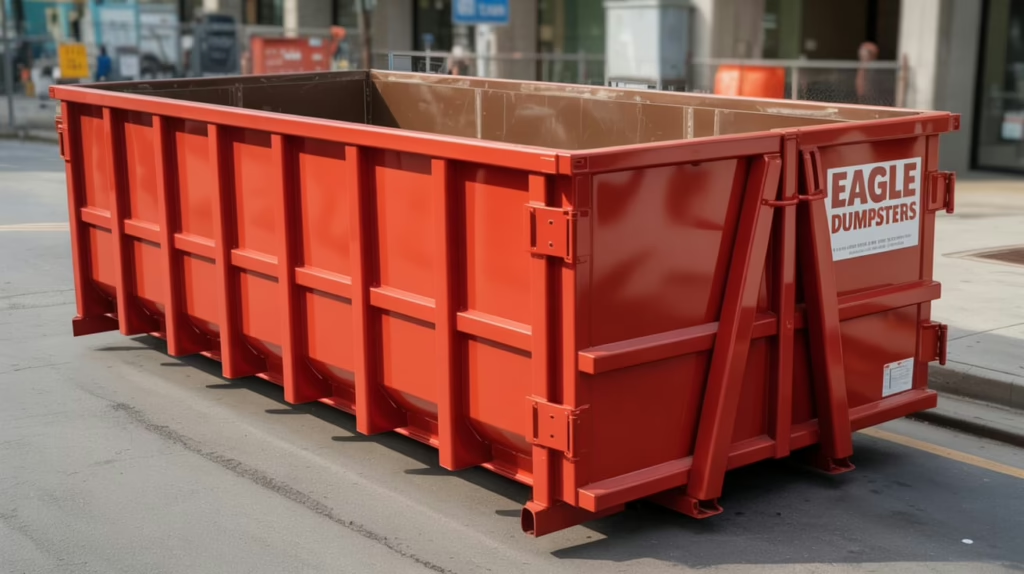
Dirt dumpsters are specialized roll-off containers designed for soil disposal from excavation, grading, foundation digging, and landscaping projects. These dirt dumpsters handle clean fill dirt, topsoil, clay, and excavation waste with weight-rated capacities that accommodate heavy soil loads.
Contents
What Are Dirt Dumpsters?
Dirt dumpsters are heavy-duty roll-off containers that accept soil, dirt, and clean fill materials. Dirt dumpsters differ from standard construction dumpsters because soil weighs significantly more than typical debris. A cubic yard of dirt weighs 2,000-3,000 pounds, requiring specialized containers with reinforced construction and lower fill heights to prevent overweight loads.
Waste management companies deliver dirt dumpsters to excavation sites, residential properties, and construction locations. The containers remain on-site for the rental period (typically 7-14 days) while workers load soil. Trucks haul filled dirt dumpsters to landfills, clean fill sites, or C&D recycling centers for disposal.
Dirt Dumpster Sizes
- 10 Yard Dirt Dumpster holds 10 cubic yards of soil (20,000-30,000 pounds). Dimensions: 12-15 feet long × 8 feet wide × 3 feet high. Best for residential excavation, small foundation projects, and yard grading.
- 15 Yard Dirt Dumpster accommodates 15 cubic yards of soil. Dimensions: 14-16 feet long × 8 feet wide × 4 feet high. Best for medium excavation projects, pool installations, and basement digging.
- 20 Yard Dirt Dumpster provides 20 cubic yards maximum capacity for dirt. Dimensions: 20-22 feet long × 8 feet wide × 4 feet high. Best for large-scale grading, commercial excavation, and lot preparation.
Dirt dumpsters larger than 20 yards rarely get used for soil because weight limits prevent safe transport. Most waste management companies recommend 10-yard dirt dumpsters for residential projects and 15-20 yard containers for commercial excavation.
What Can Go in Dirt Dumpsters
Accepted materials:
- Clean fill dirt (uncontaminated soil)
- Topsoil and subsoil
- Clay and sandy soil
- Excavation waste
- Gravel and small rocks (mixed with dirt)
- Minimal organic debris (roots, small amounts of grass)
Prohibited materials:
- Contaminated soil (chemicals, petroleum, hazardous waste)
- Construction debris (wood, concrete, metal)
- Large rocks and boulders
- Asphalt and paving materials
- Organic waste (leaves, branches, yard waste)
- Mixed loads exceeding 25% non-soil materials
Dirt dumpsters accept clean fill only. Contaminated soil requires specialized hazardous waste disposal. Some companies allow minimal construction debris mixed with dirt (under 25% of load), but pure dirt loads cost less than mixed-heavy debris.
Common Dirt Dumpster Projects
Dirt dumpsters serve excavation and grading projects:
- Foundation digging for new construction
- Basement excavation and crawl space lowering
- Pool installation and spa placement
- Lot grading and drainage correction
- Landscaping projects and yard leveling
- Driveway installation and parking lot preparation
- Trench digging for utilities and drainage systems
Residential projects typically generate 10-30 cubic yards of dirt. Commercial excavation produces 50-200 cubic yards requiring multiple dirt dumpsters or empty-and-return service.
Dirt Disposal Alternatives
Reuse on property: Spread excess dirt in low spots, create berms, build raised garden beds, or level yard areas. Reusing dirt eliminates disposal costs.
Donate or give away: Quality topsoil attracts landscapers, gardeners, and new construction sites. List free dirt on online marketplaces or contact local developers.
Dirt recycling centers: C&D recycling facilities, landscaping supply yards, and clean fill sites accept dirt for recycling. Some locations accept dirt at no charge.
Landfill disposal: Transfer stations and landfills accept clean fill dirt. Fees vary by weight and location.
Dirt dumpsters provide the most convenient disposal method for large soil volumes (10+ cubic yards). Smaller amounts (under 5 cubic yards) work better with pickup truck hauling or dirt recycling drop-off.
How to Order Dirt Dumpster Rental
Calculate soil volume in cubic yards (length × width × depth ÷ 27). Select appropriate dirt dumpster size: 10-yard for under 10 cubic yards, 15-yard for 10-15 cubic yards, 20-yard for 15-20 cubic yards. Verify clean fill requirements with the rental company. Request weight limit information to avoid overage fees. Schedule delivery to excavation site with adequate truck access. Load dirt dumpster evenly without exceeding fill line. Arrange pickup when project completes.
Dirt dumpster rental costs $300-$600 depending on size, location, weight, and disposal fees. Heavy loads incur additional charges based on tonnage.
Ready to rent a dirt dumpster? Contact waste management providers for free quotes on 10-yard, 15-yard, and 20-yard dirt dumpsters with clean fill disposal service.