
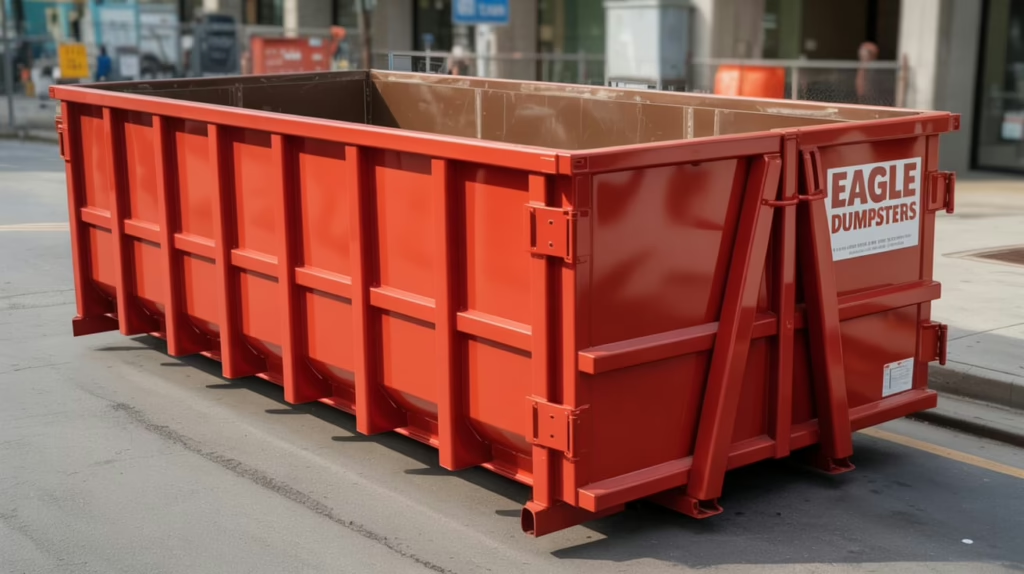
Contractor dumpsters are roll-off containers designed for construction debris, demolition waste, renovation materials, and jobsite cleanup. These contractor dumpsters range from 10 to 40 cubic yards and handle wood, drywall, roofing shingles, concrete, metal, and mixed construction waste with weight limits suited for heavy building materials.
Contents
- 1 What Are Contractor Dumpsters?
- 2 Contractor Dumpster Sizes
- 3 What Can Go in Contractor Dumpsters
- 4 Common Contractor Dumpster Projects
- 5 How to Choose the Right Contractor Dumpster Size
- 6 Contractor Dumpster Rental Process
- 7 Contractor Dumpster Rental Costs
- 8 Frequently Asked Questions
- 8.1 What size dumpster do contractors typically use?
- 8.2 How long can I keep a contractor dumpster?
- 8.3 Can I put concrete in a contractor dumpster?
- 8.4 What cannot go in a contractor dumpster?
- 8.5 How much weight can a contractor dumpster hold?
- 8.6 Do I need a permit for a contractor dumpster?
- 8.7 Can I mix different materials in a contractor dumpster?
- 8.8 How do I calculate what size contractor dumpster I need?
What Are Contractor Dumpsters?
Contractor dumpsters are heavy-duty roll-off containers that accept construction and demolition debris from jobsites. Contractor dumpsters feature open-top designs for easy loading, reinforced steel construction for durability, and wheels that allow delivery trucks to roll containers onto job sites. Waste management companies deliver contractor dumpsters to construction locations, renovation sites, and demolition projects for rental periods of 7-14 days.
Construction crews load contractor dumpsters with building materials, demolition waste, and renovation debris throughout the project. Trucks haul filled contractor dumpsters to landfills, C&D recycling centers, or transfer stations for disposal. Most contractor dumpsters accommodate mixed construction debris, though some materials require specialized containers.
Contractor Dumpster Sizes
10 Yard Contractor Dumpster holds 10 cubic yards (50-70 contractor trash bags or 4 pickup truck loads). Dimensions: 12-15 feet long × 8 feet wide × 3-4 feet high. Best for small remodels, bathroom renovations, garage cleanouts, and heavy materials like concrete or roofing shingles.
20 Yard Contractor Dumpster accommodates 20 cubic yards (120 trash bags or 8 pickup truck loads). Dimensions: 20-22 feet long × 8 feet wide × 4 feet high. Best for medium renovations, roofing projects, flooring removal, deck demolition, and multi-room remodels. The 20-yard contractor dumpster is the most popular size due to versatility and manageable dimensions.
30 Yard Contractor Dumpster provides 30 cubic yards (180 trash bags or 12 pickup truck loads). Dimensions: 22-23 feet long × 8 feet wide × 6 feet high. Best for large remodels, whole-house renovations, commercial construction, new home builds, and major demolition projects.
40 Yard Contractor Dumpster offers maximum capacity at 40 cubic yards (240 trash bags or 16 pickup truck loads). Dimensions: 22-23 feet long × 8 feet wide × 8 feet high. Best for large-scale construction, commercial demolition, multi-story buildings, and industrial projects requiring massive debris capacity.
What Can Go in Contractor Dumpsters
Accepted construction materials:
- Wood, lumber, and framing materials
- Drywall, sheetrock, and plaster
- Roofing shingles and underlayment
- Flooring materials (carpet, tile, hardwood, laminate)
- Concrete, brick, and masonry (in appropriate sizes)
- Metal scraps and rebar
- Doors, windows, and fixtures
- Insulation and building wrap
- Siding and exterior materials
- Cabinets and countertops
Prohibited materials:
- Hazardous waste (paint, chemicals, solvents)
- Asbestos-containing materials
- Tires and automotive fluids
- Electronics and appliances with refrigerants
- Batteries and fluorescent bulbs
- Medical waste
- Propane tanks and compressed gas cylinders
Contractor dumpsters accept mixed construction debris, making them ideal for renovation and demolition projects. Some waste management companies charge extra fees for heavy materials like concrete or require separate containers for pure concrete loads.
Common Contractor Dumpster Projects
Contractor dumpsters serve construction and renovation projects:
- Whole-house renovations and remodels
- Kitchen and bathroom remodels
- Roofing tear-offs and replacements
- Flooring removal and installation
- Deck demolition and rebuilding
- Garage construction and demolition
- Commercial building construction
- Demolition projects and teardowns
- New home construction
- Siding replacement and exterior work
- Interior gut jobs and renovations
- Tenant improvement projects
Small renovation projects (bathroom remodel, garage cleanout) generate 10-20 cubic yards requiring 10-yard or 20-yard contractor dumpsters. Medium projects (kitchen remodel, roofing) produce 20-30 cubic yards needing 20-yard or 30-yard containers. Large construction projects (whole-house renovation, commercial builds) create 30-40+ cubic yards requiring 30-yard or 40-yard contractor dumpsters.
How to Choose the Right Contractor Dumpster Size
Project type determines size:
- Small remodels and single-room renovations: 10-yard contractor dumpster
- Medium renovations and roofing projects: 20-yard contractor dumpster
- Large remodels and commercial construction: 30-yard contractor dumpster
- Major construction and demolition: 40-yard contractor dumpster
Debris type affects selection: Heavy materials (concrete, brick, roofing shingles) work best in 10-yard contractor dumpsters to avoid exceeding weight limits. Lightweight debris (wood, drywall, insulation) fills larger 30-yard or 40-yard contractor dumpsters without weight concerns.
Volume estimation: Calculate debris volume by estimating cubic yards or counting pickup truck loads. One pickup truck load equals approximately 2.5 cubic yards. A 20-yard contractor dumpster holds 8 pickup truck loads. Overestimate slightly to avoid running out of space mid-project.
Jobsite space: Ensure adequate space for contractor dumpster placement. Containers require 60 feet of straight-line access for delivery trucks, 10-12 feet of width, and 23-25 feet of overhead clearance for safe delivery and pickup.
Contractor Dumpster Rental Process
Calculate project debris volume in cubic yards or pickup truck loads. Select appropriate contractor dumpster size based on project type and debris volume. Request delivery to jobsite with confirmed truck access and placement location. Verify weight limits to avoid overage fees (typically 2-4 tons included depending on size). Load contractor dumpster evenly without exceeding the top edge. Schedule pickup when project completes or container fills.
Contractor dumpster rental periods last 7-14 days. Most companies include 7 days in base pricing. Extended rentals beyond 14 days cost $5-15 per additional day. Empty-and-return service provides multiple hauls for large projects requiring more capacity than a single container.
Contractor Dumpster Rental Costs
Contractor dumpster rental costs vary by size, location, rental period, debris type, and weight:
- 10-yard contractor dumpster: $450-$550
- 20-yard contractor dumpster: $450-$550
- 30-yard contractor dumpster: $550-$750
- 40-yard contractor dumpster: $650-$950
Weight overage fees apply when loads exceed included tonnage (typically $50-$100 per additional ton). Heavy materials like concrete, brick, and roofing shingles reach weight limits faster than lightweight wood or drywall.
Frequently Asked Questions
What size dumpster do contractors typically use?
Contractors typically use 20-yard dumpsters for most renovation and construction projects. The 20-yard contractor dumpster holds 8 pickup truck loads (120 trash bags) and accommodates roofing projects, flooring removal, kitchen remodels, and deck demolition. Small projects use 10-yard contractor dumpsters. Large construction projects require 30-yard or 40-yard contractor dumpsters.
How long can I keep a contractor dumpster?
Contractor dumpster rental periods typically last 7-14 days. Most waste management companies include 7 days in the base rental price. Extended rentals beyond 14 days incur daily fees ranging from $5-$15 per day. Schedule pickup when construction completes or the container fills to avoid unnecessary rental charges.
Can I put concrete in a contractor dumpster?
You can put concrete in a contractor dumpster if the container is rated for heavy materials and you stay within weight limits. Most companies recommend 10-yard contractor dumpsters for pure concrete loads because concrete weighs 4,000 pounds per cubic yard. Mixed loads with small amounts of concrete work in larger contractor dumpsters.
What cannot go in a contractor dumpster?
Contractor dumpsters cannot accept hazardous waste (paint, chemicals, solvents), asbestos-containing materials, tires, automotive fluids, electronics with refrigerants, batteries, fluorescent bulbs, medical waste, or propane tanks. These materials require specialized disposal. Contractor dumpsters accept wood, drywall, roofing shingles, concrete, metal, flooring, and mixed construction debris.
How much weight can a contractor dumpster hold?
Contractor dumpster weight limits vary by size. A 10-yard contractor dumpster typically holds 2-3 tons (4,000-6,000 pounds). A 20-yard contractor dumpster accommodates 3-4 tons (6,000-8,000 pounds). A 30-yard contractor dumpster holds 4-5 tons (8,000-10,000 pounds). A 40-yard contractor dumpster accepts 5-6 tons (10,000-12,000 pounds). Weight overage fees apply when loads exceed included tonnage.
Do I need a permit for a contractor dumpster?
Contractor dumpsters placed on private property (driveways, jobsites, parking lots) typically do not require permits. Contractor dumpsters placed on public streets, sidewalks, or right-of-ways require permits from local municipalities. Check with your city or county for specific permit requirements and fees before scheduling contractor dumpster delivery.
Can I mix different materials in a contractor dumpster?
Contractor dumpsters accept mixed construction debris including wood, drywall, roofing materials, flooring, concrete, metal, and fixtures in the same container. Mixed loads cost less than ordering separate containers for each material type. Pure concrete or dirt loads may require specialized containers due to extreme weight.
How do I calculate what size contractor dumpster I need?
Calculate contractor dumpster size by estimating debris volume in cubic yards or pickup truck loads. Measure the area being renovated and estimate debris depth. One pickup truck load equals 2.5 cubic yards. A bathroom remodel generates 10 cubic yards (10-yard dumpster). A kitchen remodel produces 20 cubic yards (20-yard dumpster). A whole-house renovation creates 30-40 cubic yards (30-yard or 40-yard dumpster).
Ready to rent a contractor dumpster?
Contact Eagle Dumpster Rental for free quotes on 10-yard, 20-yard, 30-yard, and 40-yard contractor dumpsters with flexible rental periods and construction debris disposal service.