
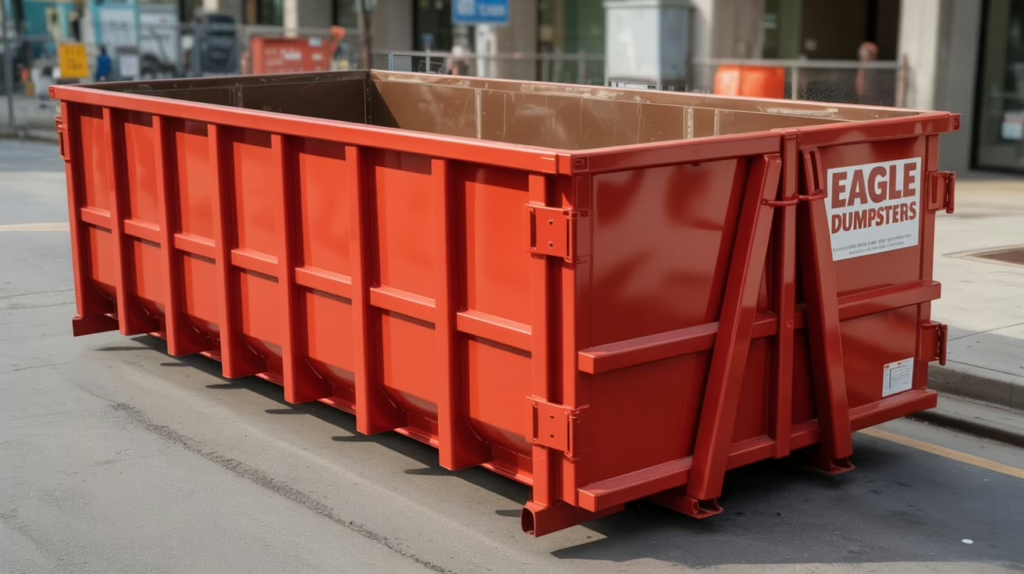
Construction dumpsters provide temporary waste containment solutions for building projects, demolition work, and renovation activities. These roll-off containers range from 10 to 40 cubic yards in capacity and accommodate various construction debris types including wood, concrete, metal, and drywall.
Construction Dumpster Sizes
Construction dumpster rentals are available in four standard sizes, each designed for specific project scales and debris volumes.
10 Yard Dumpsters: A 10 yard dumpster holds approximately 10 cubic yards of material, equivalent to 3 pickup truck loads. Small construction projects such as bathroom renovations, minor deck removals, and garage cleanouts utilize 10 yard dumpsters. The weight capacity typically ranges from 2 to 3 tons.
20 Yard Dumpsters: A 20 yard dumpster accommodates 20 cubic yards of debris, equivalent to 6 pickup truck loads. Medium construction projects including kitchen remodels, flooring replacements, and roof repairs require 20 yard dumpsters. The weight limit reaches 3 to 4 tons for most materials.
30 Yard Dumpsters: A 30 yard dumpster contains 30 cubic yards of construction waste, equivalent to 9 pickup truck loads. Large construction projects such as home additions, commercial renovations, and new construction work utilize 30 yard dumpsters supporting 4 to 5 tons of material.
40 Yard Dumpsters: A 40 yard dumpster provides 40 cubic yards of capacity, equivalent to 12 pickup truck loads. Major construction projects including commercial building demolition, large-scale renovations, and multi-story construction sites require 40 yard dumpsters with weight capacity extending from 5 to 6 tons.
What Goes in Construction Dumpsters
Construction dumpsters accept wood materials including lumber, plywood, pallets, and framing materials. Drywall and gypsum board from wall demolition enter construction dumpsters. Metal debris such as rebar, steel beams, copper piping, and aluminum siding are accepted. Concrete, asphalt, brick, and stone materials fill construction dumpsters. Roofing materials including shingles, tiles, and underlayment are permitted. Flooring materials such as carpet, tile, hardwood, and laminate go into construction containers. Windows, doors, and cabinetry from demolition projects enter construction dumpsters.
Hazardous waste materials cannot enter construction dumpsters. Paint, solvents, chemicals, and adhesives require specialized disposal. Asbestos-containing materials need certified removal and separate handling. Electronics, tires, batteries, and propane tanks require alternative disposal methods.
Concrete dumpsters accept only concrete, brick, block, and stone materials. Clean fill dumpsters accommodate soil, dirt, sand, and gravel. Mixed construction debris dumpsters handle various materials simultaneously when source separation is not required.
Construction Dumpster Rental Process
The construction dumpster rental process follows five sequential steps. Contact the dumpster rental service to discuss your construction project scope, debris types, and estimated volume. Schedule the delivery date and provide the delivery address and specific placement location. The delivery driver positions the construction dumpster at your designated location. Load construction debris evenly throughout the container to maximize capacity and maintain weight distribution. Contact the rental service when your construction dumpster reaches capacity to schedule pickup.
Construction Project Types
Construction dumpster rentals serve residential construction projects including home additions, kitchen renovations, bathroom remodels, deck construction, and basement finishing. Commercial construction projects require construction dumpsters for new building construction, office renovations, retail space buildouts, restaurant construction, and warehouse construction. Demolition projects including partial demolition, complete building demolition, interior demolition, and selective demolition fill multiple construction dumpsters. Roofing projects generate debris from asphalt shingle removal, metal roofing, tile roofing removal, and flat roof membrane removal.
Why Choose Professional Construction Dumpster Rental
Professional construction dumpster rental services provide transparent pricing with no hidden fees. Flexible rental periods extend from 7 to 30 days depending on project duration. Same-day delivery options serve urgent project needs and tight construction schedules. Licensed disposal facilities receive construction debris for processing, recycling, or landfilling. Construction waste recycling reduces environmental impact through wood recycling, metal recycling, concrete recycling, and cardboard recycling. Recycling programs support LEED certification points for sustainable construction practices. Centralized debris collection keeps construction sites organized and reduces trip hazards.
Frequently Asked Questions
How much does a construction dumpster rental cost?
Construction dumpster rental costs range from $300 to $800 depending on container size, rental duration, debris type, and location. A 10 yard dumpster typically costs $300 to $450, a 20 yard dumpster ranges from $400 to $550, a 30 yard dumpster costs $500 to $650, and a 40 yard dumpster ranges from $600 to $800.
What size construction dumpster do I need?
A 10 yard dumpster serves small projects generating 2 to 3 tons of debris. A 20 yard dumpster accommodates medium projects producing 3 to 4 tons. A 30 yard dumpster handles large projects creating 4 to 5 tons. A 40 yard dumpster manages major projects generating 5 to 6 tons.
Can I put concrete in a construction dumpster?
Concrete enters construction dumpsters, but material weight often requires dedicated concrete-only containers. A 10 yard dumpster holds approximately 10 to 12 tons of concrete. Concrete dumpsters accept brick, block, stone, and asphalt in addition to concrete.
What cannot go in a construction dumpster?
Hazardous materials including paint, solvents, chemicals, and pesticides cannot enter construction dumpsters. Asbestos-containing materials, electronics, appliances with refrigerants, tires, batteries, propane tanks, and medical waste are prohibited.
Do I need a permit for a construction dumpster?
A permit is required when the construction dumpster sits on public property including streets, sidewalks, or right-of-way areas. Private property placement on driveways, parking lots, or yards typically does not require permits.
Ready to Start Your Construction Project?
Construction dumpster rentals provide waste management solutions for building, renovation, and demolition projects. Contact a construction dumpster rental service to discuss your project requirements and schedule delivery.